

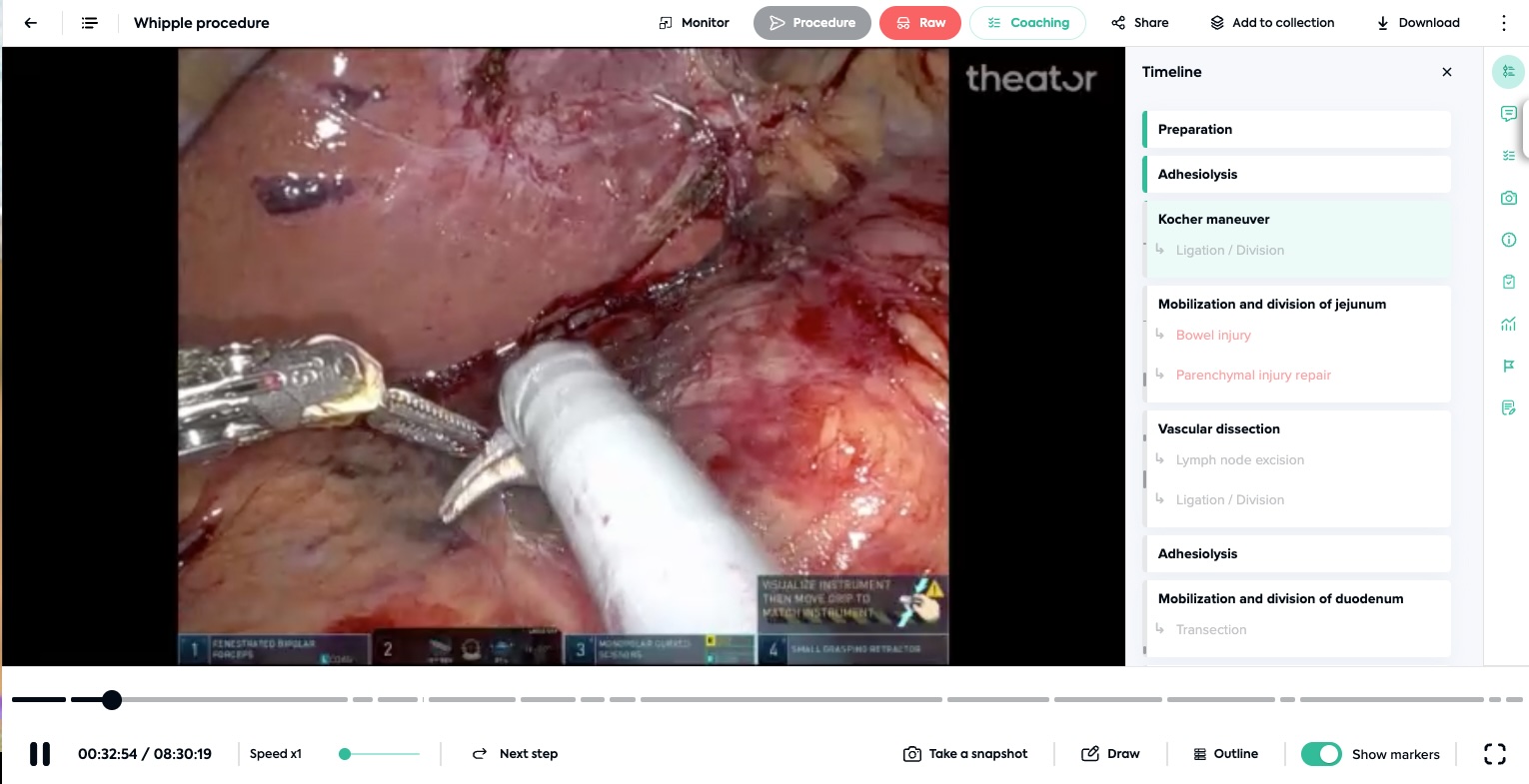
Imagine you’re about to undergo a major operation. The surgeon is brilliant, the facility is top-notch. But there’s still that nagging question in the back of your mind: “What are my real chances of a smooth recovery?” For decades, the answer relied heavily on a doctor’s experience and some broad population statistics. Now, a new partner is entering the operating theater—not with a scalpel, but with an algorithm. Artificial intelligence is fundamentally changing how we forecast surgical success and complications, moving from educated guesswork to precise, personalized prediction.
From Gut Feeling to Data-Driven Insight
Surgeons have always been predictors. They assess risk based on what they see, the patient’s history, and textbook knowledge. It’s an art, sure, but it’s also a bit like weather forecasting with a barometer and a glance at the sky. Powerful, but limited.
AI changes the game by analyzing datasets of staggering size and complexity. We’re talking about thousands—sometimes millions—of de-identified patient records: lab results, past diagnoses, imaging scans, anesthesia notes, even genetic markers. An AI model can sift through this ocean of data and find subtle, hidden patterns that a human brain simply couldn’t connect. It can answer questions like, “For a 68-year-old diabetic with a specific heart rhythm irregularity undergoing a colectomy, what is the statistical risk of postoperative pneumonia?”
What Exactly is AI Predicting?
Honestly, the scope is expanding almost daily. But right now, the most impactful predictions fall into a few key buckets:
- Major Complications: Things like cardiac events, sepsis, deep vein thrombosis, or kidney failure.
- Surgical Site Infections: A huge focus, as these are common, costly, and often preventable with better targeting.
- Length of Hospital Stay: This isn’t just about logistics; it’s a strong proxy for overall recovery difficulty.
- Readmission Rates: Predicting who might bounce back to the hospital within 30 days is a major goal for improving care and cutting costs.
- Mortality Risk: The most serious prediction, used for critical pre-operative counseling and planning.
The Mechanics: How Does AI See What We Can’t?
Let’s dive in. Most of these systems use a branch of AI called machine learning. You feed it historical data—Patient A with traits X, Y, Z had outcome B. Over countless examples, the algorithm learns the associations. It’s not magic; it’s pattern recognition at a superhuman scale.
Here’s a simple analogy. Think of a master chef who can taste a complex stew and instinctively know it needs more salt. That’s experience. Now imagine giving that chef the ability to instantly analyze the molecular composition of every ingredient and cross-reference it with ten thousand other recipes. That’s AI. It quantifies the intuition.
Some of the most exciting work isn’t just with numbers, but with images. AI can now pre-operatively analyze CT scans or MRIs to predict tissue quality, blood vessel anatomy, or even how difficult a minimally invasive procedure might be. It’s like giving surgeons a preview of the terrain before they embark on the journey.
A Real-World Example: The Power of a Simple Table
Let’s make it concrete. Say an AI tool analyzes a patient scheduled for hip replacement. It might spit out a personalized risk profile that looks something like this—far more specific than a standard consent form.
| Predicted Complication | General Population Risk | This Patient’s AI-Predicted Risk | Key Risk Factors Flagged |
| Surgical Site Infection | 1-2% | 4.7% | BMI > 35, HbA1c slightly elevated |
| Blood Clot (DVT/PE) | ~1.5% | 0.8% | Active mobility pre-op, no clotting history |
| Hospital Stay > 5 days | ~30% | 65% | Age, mild COPD, living alone |
See the difference? This isn’t about scaring anyone. It’s about enabling proactive care. Knowing that infection risk is high, the team might implement a stricter pre-op skin protocol or tailor antibiotics. Seeing the extended stay risk, a discharge planner gets involved on day one.
The Human Touch: AI as a Partner, Not a Prophet
Here’s the deal: no serious doctor is letting an algorithm make decisions in a vacuum. The role of AI in predicting surgical outcomes is best thought of as a co-pilot. It provides a sophisticated, data-rich second opinion. The surgeon—the captain—interprets that information in the full context of the human being in front of them.
Maybe the AI flags a high risk for delirium. The surgeon, knowing the patient has a incredibly supportive family at home, might weigh that risk differently. The AI sees numbers; the doctor sees a person. That synergy is where the real magic happens. It enhances shared decision-making. Surgeons can have more honest, quantified conversations with patients: “Your data suggests a tougher recovery, so here’s our enhanced plan to support you.”
Challenges on the Road Ahead
It’s not all smooth sailing, of course. We’ve got hurdles. “Garbage in, garbage out” is a real concern—if the AI is trained on biased or low-quality data, its predictions will be flawed. There’s also the “black box” problem; sometimes the AI can’t clearly explain why it predicted a high risk, which is frustrating for clinicians. And let’s not forget integration. The last thing an overworked surgical team needs is another clunky, time-consuming software alert.
The goal is seamless, intuitive tools that feel less like a separate report and more like a natural part of the workflow. We’re getting there, but slowly.
The Future Stitched with Data
So where is this all heading? Well, we’re moving towards truly dynamic prediction. Imagine AI that doesn’t just give a one-time pre-op score, but continuously updates risk during and after surgery based on real-time vitals, blood loss, and other intraoperative data. The prediction evolves as the story unfolds.
Furthermore, the ultimate promise isn’t just prediction, but prescription. The next wave of AI won’t just say, “High risk of infection.” It will suggest, “Based on 12,000 similar cases, initiating protocol X and Y reduced infection by 62%.” It becomes a guide for personalized intervention.
That said, the core of surgery will always be a human endeavor—a dance of skill, judgment, and compassion performed on the most delicate of stages. Artificial intelligence won’t replace that. But by acting as a powerful lens, focusing our attention on hidden risks and opportunities, it’s making that dance more precise, more prepared, and ultimately, more successful for the person that matters most: the patient on the table.